20
Nov
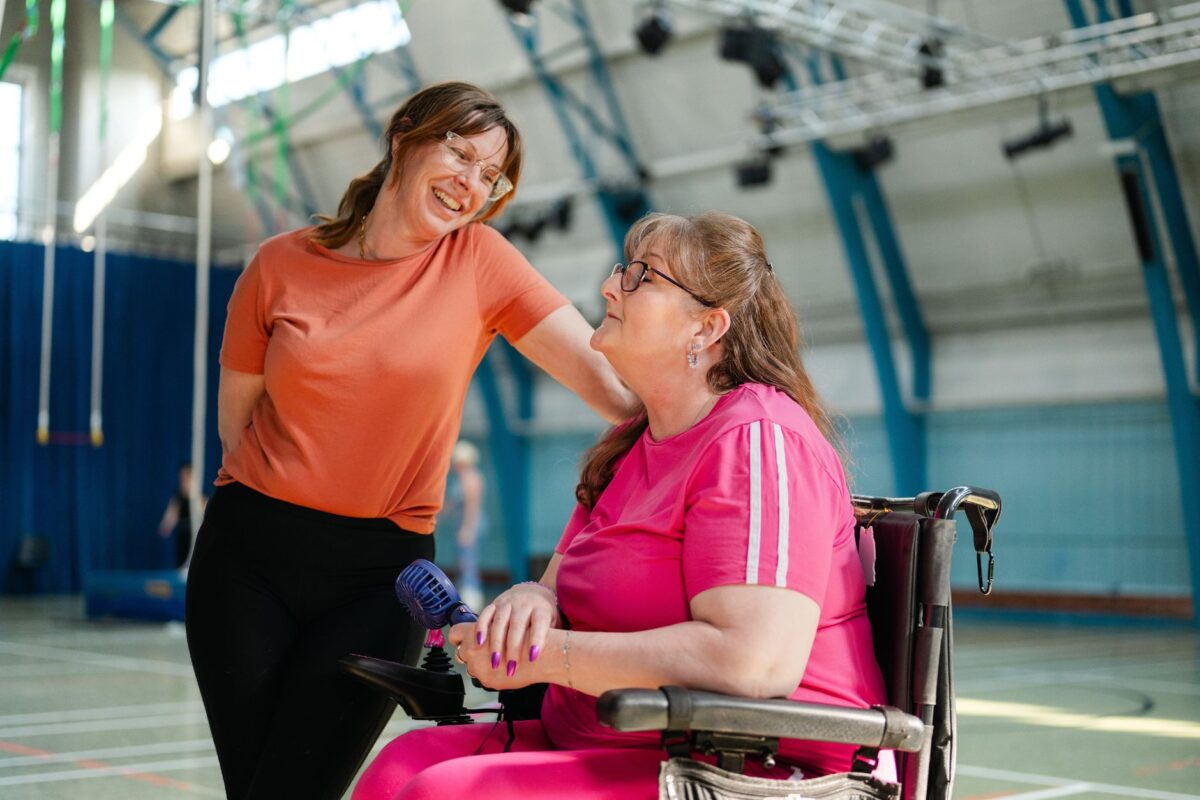
Home workouts for wheelchair users: the NHS weekly targets, why it highlights the shoulders and back, resistance bands, cardio ideas and how hard to work.

Accessible home exercise and home-gym safety.
Home workouts for wheelchair users: the NHS weekly targets, why it highlights the shoulders and back, resistance bands, cardio ideas and how hard to work.
What a UKHSA working paper and the government’s Check air quality service say about exercising indoors during pollution episodes, ventilation, cleaning products and the limited evidence on air inside gyms.
Training with loud music or headphones: WHO safe-listening figures for volume and weekly exposure, and where GB workplace noise rules do and do not apply.
What NHS and UKHSA hot-weather advice means for a garage, loft or spare-room gym: when to train, how to keep the room cool, when fans help, and when to stop.
Turning a room into a home gym changes how you use it. See England’s fire safety advice and Scotland’s alarm law, and what to check when equipment fills a room.
Planning a home gym in an older garage or outbuilding? HSE guidance on asbestos explains where it hides, why not to disturb it and what to do before drilling.
Product recalls tend to make the news for cars, baby products or major electrical appliances, but fitness equipment is recalled too, and it is one of the more overlooked checks when buying, particularly secondhand or through marketplace listings where you have no relationship with the original retailer to notify you if a fault is later […]
A home gym is an interesting room to a child. It has things to climb, things to hang from, things to roll, and equipment that looks like it was designed to be played on. Most of it is also heavy, and some of it is genuinely dangerous unsupervised. The good news is that the serious […]
Seated training has a reputation problem. It gets treated as the easy version — what you do if you cannot do the real thing. That is wrong on the evidence. A muscle does not know whether you are standing. Load it through a decent range, close enough to failure, often enough, and it adapts. What […]
A home gym should be the easiest place in the world to train — no travel, no queue, no audience. For anyone with limited mobility it often turns out to be the opposite, because the room was laid out for someone who moves freely through it. Most of the fixes are layout and access rather […]